
Rodebjer: Still Here, Still Right
Originally published 2009. Carin Rodebjer started selling clothes to friends on the streets of Manhattan. Twenty-five years later she has a flagship in Stockholm, a global following, and she still runs the brand herself.
By Brooke
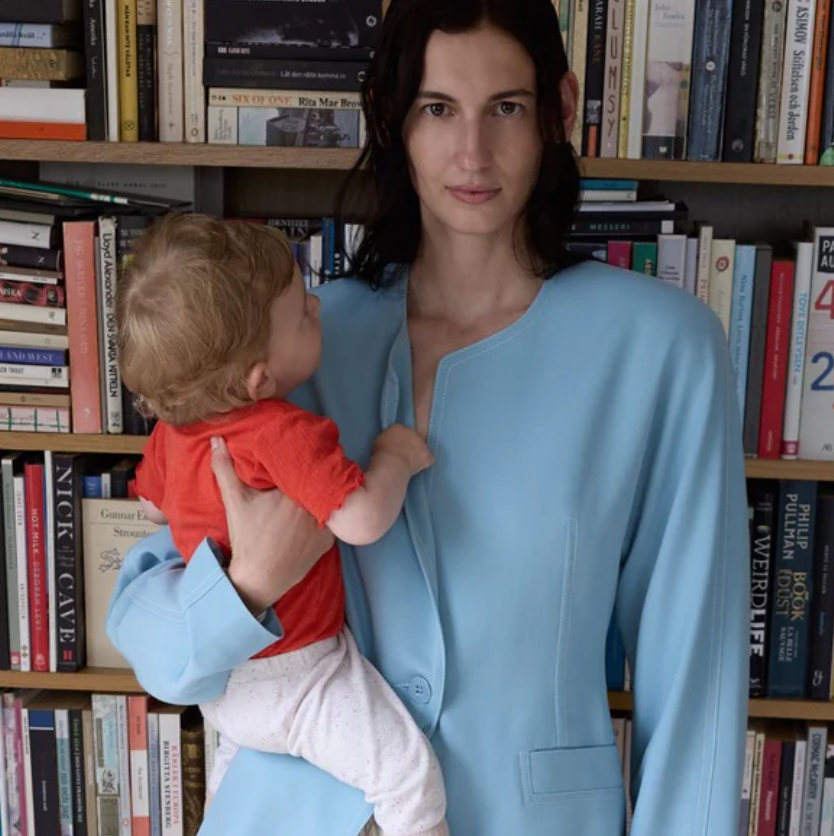
Originally published 2009 on Urban Socialite. Revisited March 2026.
Then: 2009
I cannot believe summer is over but all the signs are here, Halloween party invitations, dark by 7pm, still dark at 7am. And a pile of things I want to write about that I haven't gotten to yet. Rodebjer was near the top of that pile.
Carin Rodebjer founded her label in New York in 1999 after being spotted on the streets of Manhattan in her own handmade designs. She started selling to friends, then to stores in New York and Stockholm. Swedish by birth, NYC by sensibility — the brand ran on that tension. The clothes were for women on the move: draped, practical, unfussy but never boring. Feminist values built into the actual cut, not the marketing copy. She had already won Guldknappen from Damernas Värld by the time I was writing about her. Operating almost entirely under the radar in the US while being considered one of Sweden's most important designers at home.
Now: 2026
Rodebjer is still here. Carin Rodebjer still runs it. They have a flagship store at Norrmalmstorg in Stockholm's Bibliotekstan, plus international stockists and a direct online presence. The brand has been named Elle's Fashion Designer of the Year in Sweden multiple times. The collections still look like Rodebjer — slouchy suits, iconic prints, draped caftans, and certain garments that recur season after season by design because they're simply right and don't need to be replaced just to fill a calendar slot.
Shop now: rodebjer.com
The Lesson
Rodebjer is a 25-year-old independent brand still run by its founder, still operating on its original values, still growing. That is genuinely rare and it doesn't happen by accident.
The throughline from 1999 to 2026 is that Carin Rodebjer never tried to be something she wasn't to chase a market. The 'strict hippie' aesthetic, the feminist infrastructure, the clothes made to last — none of that is branding. It's just what the brand is. The designers who are still standing after 25 years are almost always the ones who knew what they were making and made it without apology, through every trend cycle that tried to pull them sideways. That's the whole lesson. Build something real. Protect it legally, protect it creatively, and don't let anyone tell you it needs to be something else to survive.
Topics
Brooke
Covers AI law, digital IP, and emerging technology regulation for independent fashion designers. About →
Not legal advice. This is editorial analysis for informational purposes. Consult qualified legal counsel for your specific situation.