
Naketano: The Brand That Chose to End on Its Own Terms
Originally published 2014. A cult German streetwear label with a devoted US following that did something almost no brand ever does: closed deliberately, at the top, before things fell apart.
By Brooke
Originally published December 2014 on Urban Socialite. Revisited March 2026.
Then: 2014
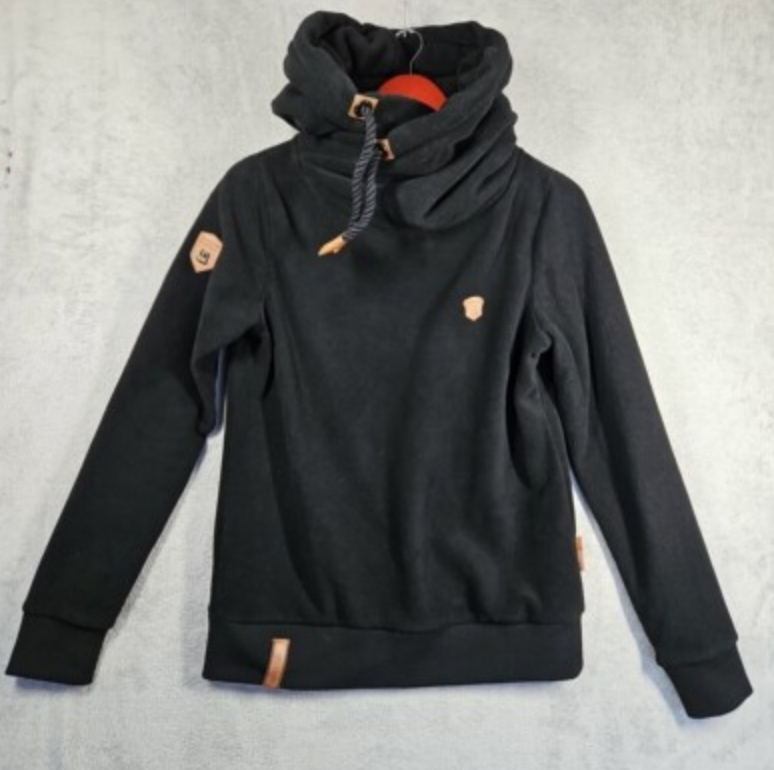
It had been a while since I had an absolute favorite something. I had this pair of black and silver Nikes I found at a sample sale in New York — totally odd, all my friends hated them, and I literally found excuses to wear them everywhere. That's the relationship I developed with Naketano.
Naketano was a German streetwear label founded in 2005 by Sascha Peljhan and Jozo Lonac. In the US it had a quiet, devoted following — the kind of brand you either knew about or you didn't, and if you did, you were slightly evangelical about it. The quality was unreal for the price. Thick without being bulky. Details everywhere. The kind of hoodie you discover new things about after wearing it three times.
Now: 2026
Naketano closed in 2018. Not because the business failed — because the founders chose to end it. They announced the closure themselves, set a date, took their online shop offline on December 31, 2018, and that was it. No bankruptcy, no acquisition, no slow fade. A deliberate decision to stop while the brand still meant something.
The spiritual successor, Fli Papigu, launched in 2019 from some of the same creative DNA, operating as a social business that donates all profits rather than distributing them to shareholders. Naketano pieces live on in secondary markets — Poshmark, eBay, vintage finds that people genuinely treasure.
The Lesson
Independent designers are taught to scale, to grow, to build toward exit. Naketano is a case study in something different: knowing when to stop is also a business decision, and sometimes it's the most integrity-preserving one available.
There's an IP angle here too. When a brand closes, what happens to the name? Naketano's founders held their IP carefully through the closure, which is why they could license the design signature to Fli Papigu rather than have the name get picked up and cheapened by someone else. If you build a brand, protect the trademark. Especially if you eventually decide to stop.
Topics
Brooke
Covers AI law, digital IP, and emerging technology regulation for independent fashion designers. About →
Not legal advice. This is editorial analysis for informational purposes. Consult qualified legal counsel for your specific situation.