
Grey Ant: The Brand That Bet on Eyewear Before Anyone Else
Originally published December 2008. A downtown NYC label barely anyone knew. What happened next, and what every independent designer can learn from it.
By Brooke
Originally published December 1, 2008 on Urban Socialite. Revisited March 2026.
Then: December 2008
I was writing from Boston, exhausted from a long week, staring at a pile of press samples and a running list of designers I needed to tell people about. Grey Ant was near the top of that list.
At the time, Grey Ant was a small New York label. Cult status, downtown credibility, the kind of brand you found out about from a friend who worked at Opening Ceremony. Designer Grant Krajecki had been building it since 1998, with Natalie Levy joining as co-designer in 2004. The clothes were precision-cut and conceptually sharp. The Financial Crisis was two months old. Nobody was buying anything. And here was this tiny label making clothes that felt like a manifesto.
What I didn't know then: Grey Ant was about to make one of the smartest pivots in recent independent fashion history.
Now: 2026
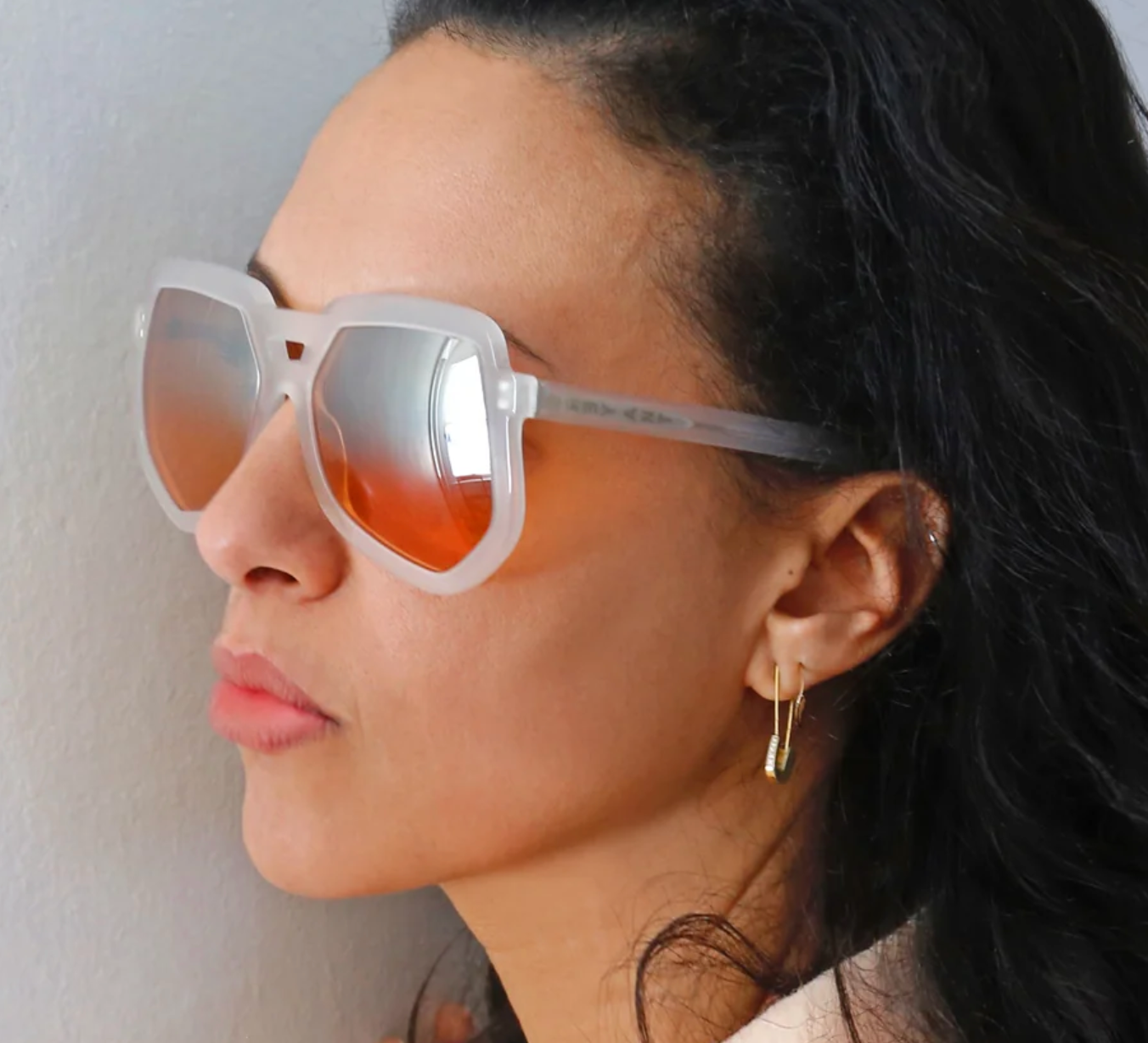
Grey Ant is still here. Thriving, actually. But you won't find the clothing anymore. After 2008, Krajecki and Levy leaned into eyewear — something they had added almost as an afterthought. The response was overwhelming. Grey Ant is now a full eyewear brand, handmade in Italy and Japan, gender-free, sold in limited quantities, stocked at Helmut Lang retail stores. Their first frame, the 'Status,' remains one of their most coveted pieces nearly two decades later. They were part of the CFDA's inaugural incubator class. They've been copied endlessly. They are still here.
The Lesson
Grey Ant survived because they were willing to follow the market signal even when it meant walking away from what they were known for. Clothing was the identity. Eyewear was the accident. But they were paying attention and they moved — deliberately, not reactively.
In 2026, independent designers face a version of the same pressure from every direction. The question is not whether to adapt. It's whether you see the signal before it becomes a crisis. Grey Ant saw it. That's why they're still standing.
Shop Grey Ant: greyant.com
Topics
Brooke
Covers AI law, digital IP, and emerging technology regulation for independent fashion designers. About →
Not legal advice. This is editorial analysis for informational purposes. Consult qualified legal counsel for your specific situation.